I’ve been playing Super Mario Bros 3D on the Nintendo Switch recently with my four year old. This is a game where you can have multiple players so he and I can be playing together as two separate characters on the same screen. Whilst he plays it really well, there are some levels that are... Continue Reading →
The Energy of the Gesture of its Own Making: Brief Notes on Literary Form
The title of this post is taken from Robert Hass’ superb A Little Book of Form: An Exploration Into The Formal Imagination of Poetry. It is, without doubt, the best book on poetic form I have ever read and within it is this fascinating definition: [Form is] the way the poem embodies the energy of... Continue Reading →
Bigger and Bigger Questions: The BIG Questions of Literary Studies
I’ve been very fortunate this term to run an optional and additional enrichment course based around Bob Eaglestone’s excellent Doing English. The aim of this short course has been to expose Y10 students to some of the most interesting debates within literary studies that they otherwise wouldn’t really encounter until A Level or perhaps even... Continue Reading →
Creative Writing and the Craft of Crossing Out
If you enjoy this blog post, then you'll love my new book Experiencing English Literature. With dedicated chapters on teaching novels, plays and poetry as well as teaching generative writing, sentence-stems and essay structure, it is filled with actionable strategies ready for the classroom. You can order it right now HERE ! I recently shared... Continue Reading →
An Intro to…Modernism
Inspired by Greg Thornton’s excellent work on an Intro to... series for history teachers, I wanted to test the concept within the context of English. Using modernism as the test case, here’s what I came up with: Here’s the link to download the Intro to...Modernism: https://tinyurl.com/v4ffft8t And here’s the original tweet by Greg: https://twitter.com/MrThorntonTeach/status/1366855467285233664?s=20
Tell Me Your Favourite Word…: Generative Retrieval for English
There is sometimes, I feel, an assumption that retrieval practice in the English classroom begins and ends with quotation gap fills or basic factual recall. Those making this assumption are often the same people suggesting retrieval practice doesn't work for English. It does, of course. And it's crucial to remind ourselves that you can't think... Continue Reading →
Using Cornell Notes: A Video Tutorial for Students
The system of Cornell note taking is a strategy I have used for a long time, since university at least but possibly before (A Level is such a distant memory I can’t quite recall!). I use them now when listening to interesting podcasts, reading especially important articles, completing online courses like with Massolit, or as... Continue Reading →
But, what does the text do?
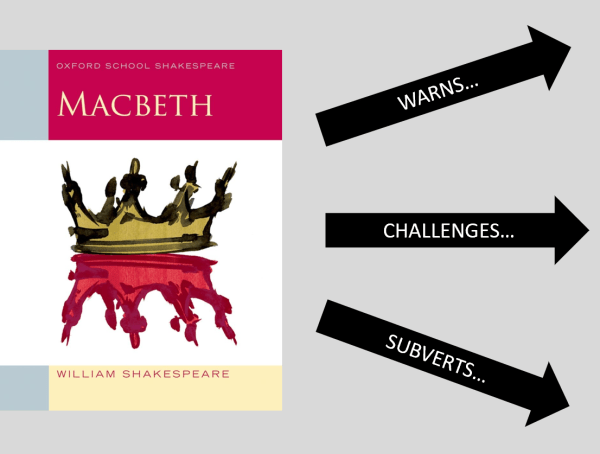
If you enjoy this blog post, then you'll love my new book Experiencing English Literature. With dedicated chapters on teaching novels, plays and poetry as well as teaching generative writing, sentence-stems and essay structure, it is filled with actionable strategies ready for the classroom. You can order it right now HERE ! Yesterday, I posted... Continue Reading →
What Can Radio 1 Teach Us About the Literary Canon?
Yesterday, I taught a lesson about the literary canon to Year 10. One of the ways I tried to explain how the canon functions, an idea inexorably abstract to a group of 14 year olds, is through the example of Radio 1. Now, this isn't done out of any desire to increase engagement or play... Continue Reading →
The Literary Hinterland: A Lesson I Love…
Each year I'm fortunate enough to be able to offer my Y10 students a short enrichment course that lasts 6 weeks and which I title, after Bob Eaglestone's superb book, Doing English. The aim of this enrichment course is to get the students thinking much more conceptually about literature and its study, asking questions such... Continue Reading →