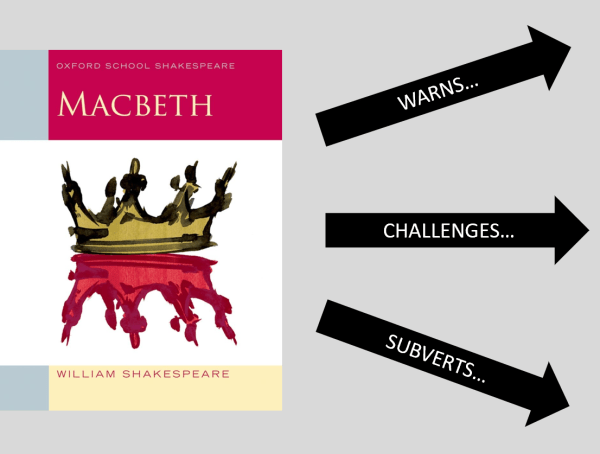
It all too easy sometimes to get lost in the small stuff of textual analysis. The micro. The single words and images. This is, it goes without saying, key to any literary discussion, but so is the macro. The big stuff. The conceptual. How might we build into our classroom routines more opportunity for such... Continue Reading →
The What How Why of WHW: Introducing and Using ‘What How Why’
Several years before becoming a secondary school teacher, I taught at university whilst completing a PhD and did a lot of private tutoring on the side. I didn’t have many resources but I did have one that I would use with all of my university classes and tutees: a single side of A4 with three... Continue Reading →
Teaching Poetry: A Step by Step Guide
Ok: first of all an admission. The title of this post, with its impossibly bold claim to distil teaching poetry into a series of neatly packaged steps, is somewhat overzealous. In a manner somewhat, and unfavourably, all too familiar to the last year, I fear it will overpromise and underdeliver. However, what it will do,... Continue Reading →
Bigger and Bigger Questions: The BIG Questions of Literary Studies
I’ve been very fortunate this term to run an optional and additional enrichment course based around Bob Eaglestone’s excellent Doing English. The aim of this short course has been to expose Y10 students to some of the most interesting debates within literary studies that they otherwise wouldn’t really encounter until A Level or perhaps even... Continue Reading →
An Intro to…Modernism
Inspired by Greg Thornton’s excellent work on an Intro to... series for history teachers, I wanted to test the concept within the context of English. Using modernism as the test case, here’s what I came up with: Here’s the link to download the Intro to...Modernism: https://tinyurl.com/v4ffft8t And here’s the original tweet by Greg: https://twitter.com/MrThorntonTeach/status/1366855467285233664?s=20
But, what does the text do?
If you enjoy this blog post, then you'll love my new book Experiencing English Literature. With dedicated chapters on teaching novels, plays and poetry as well as teaching generative writing, sentence-stems and essay structure, it is filled with actionable strategies ready for the classroom. You can order it right now HERE ! Yesterday, I posted... Continue Reading →
What Can Radio 1 Teach Us About the Literary Canon?
Yesterday, I taught a lesson about the literary canon to Year 10. One of the ways I tried to explain how the canon functions, an idea inexorably abstract to a group of 14 year olds, is through the example of Radio 1. Now, this isn't done out of any desire to increase engagement or play... Continue Reading →
Teaching Compare and Contrast via Passing References
Most, if not all, English Literature specifications at GCSE and A Level require the student to make points of connection between two texts, something either explicitly stated in the specification or implied through the format of the question. Given its prevalence, making apt and stylistically fluid textual comparisons is an aspect of essay writing that... Continue Reading →
What other words could have been used…?
One of the simplest but most effective questions I ask my students when analysing a text is 'what other words could have been used?' This one question has become a staple of our classroom talk and is now deeply embedded into our discussion and analysis routines. I regularly ask it of them, but much more... Continue Reading →